HARARE motorists have questioned the fairness of fines issued under Zimbabwe’s smart traffic management system, saying faded road markings and traffic lights without countdown displays are leaving drivers exposed to penalties at junctions where the instructions they are expected to follow are unclear.
The concerns emerged during interviews conducted by The Narrative Network in Harare’s central business district.
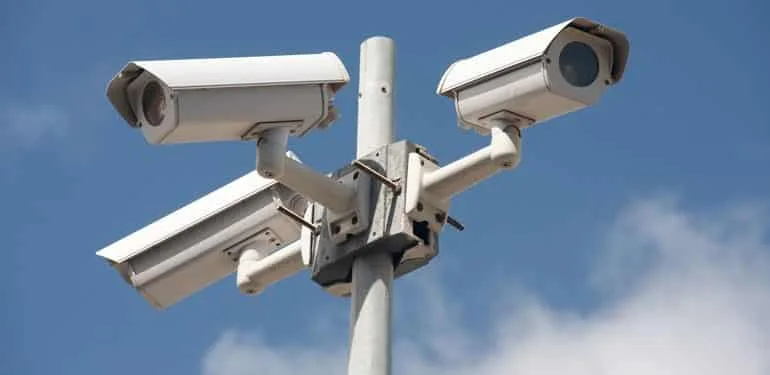
Cameras monitor traffic at 20 intersections, detecting suspected offences that police say are reviewed by officers before notices are sent to vehicle owners.
The system is intended to improve compliance with road rules and reduce reliance on officers stationed at junctions. United Nations in Zimbabwe
Motorist Cosmas Chapera said some lane markings had deteriorated to the point where drivers could not readily see them, yet were still being held responsible for crossing them.
“The biggest challenge we are facing is the lanes are not clear. And they will charge you for kutsika line risiri kuoneka (crossing a road marking that is not visible),” Chapera said.
He also questioned notices for offences allegedly committed in September, arguing that many motorists had not understood that the cameras were already recording violations.
“They are also making us pay for offences that were committed in September when we did not even know there was a new system. There was no pre-warning or education,” he said.
Home Affairs Minister Kazembe Kazembe had publicly warned in August that cameras were recording offences and that fines could be imposed retrospectively once payment arrangements were finalised.
Chapera’s complaint nevertheless points to the gap between a public announcement and drivers’ understanding of how the system would affect them. herald
Another motorist, Currency Makona, called for traffic lights with countdown displays, saying they would give drivers a clearer indication of when a signal was about to change.
“They must put digital robots that count seconds everywhere. This will help in reducing the offences,” Makona said.
“Sometimes the robot turns amber while you are in the middle of the intersection and that means you have committed an offence, so they must put digital traffic lights,” he said.
A light changing to amber while a vehicle is already inside an intersection does not, by itself, establish an offence.
The traffic-signal regulations address when a driver crosses the stop line and allow a driver who cannot stop safely when amber appears to proceed with due caution.
The circumstances of any disputed notice would therefore need to be checked against its footage. provisional.invalcre.co.zw
Makona also questioned what he described as penalties for carrying a phone on his lap while driving.
“The other unfair issue is our phones. They are charging us for having phones on our laps. I am a public transport driver and where do they want us to put our phones?” he said.
The cameras monitor cellphone use while driving, according to the government.
Kazembe said at a road safety meeting last week that "Officers should examine camera footage before issuing notices and reject cases involving circumstances beyond a driver’s control. "
He acknowledged concerns about faulty signals and said local authorities were working to address them.