Thousands of Harare homeowners face an uncertain future as a 14-day deadline to regularise their properties expires Tuesday, with residents' associations warning of possible unrest as financially distressed families struggle to meet fresh council demands.
The deadline has sparked anxiety among residents who invested their life savings in residential stands and houses, often believing they were purchasing legitimate properties through housing cooperatives, developers and other land intermediaries.
Homeowners are required to pay US$2,480, comprising a US$1,500 regularisation fee, a US$900 penalty for building without council approval and US$80 for failing to undergo council interviews.
Many residents interviewed by The Narrative Network paid US$500 last week, leaving outstanding balances of US$1,980 that they were expected to settle by November 17.
"A teacher who earns 270.00 a month needs how many months to raise $2480, let alone raise the money within two weeks. What kind of miracle do we need to meet this deadline?" one resident said.
The financial demands have unsettled homeowners who already paid developers for their residential stands, infrastructure development and, in some cases, supplementary charges on top of the original purchase prices.
Many said developers repeatedly assured them that their housing schemes were legitimate and that they had nothing to worry about, leaving them unprepared for the council's regularisation demands.
The situation has raised questions about the responsibility of developers who collected payments from homeowners while allegedly assuring them that their properties complied with council requirements.
For families already struggling with unemployment, low incomes and rising living costs, the additional payments have created a financial burden that many say they cannot realistically meet.
In Donnybrook, residents say they have been contributing towards roads, electricity and other infrastructure since 2022, raising questions about why developers are not taking greater responsibility for resolving the dispute.
“It's unfortunate that council is demanding its dues in a very short time. But they should consider the development done in our place," said another resident.
"We paid money to develop that area. Some have already paid up their development fees; others paid more than 50 percent. Considering the development we made, the council should consider giving us time to settle their dues. Developers should also play a part. They should stand with us. Since 2022, we have been paying our subs and rent. They cannot abandon us now when we have paid for roads and electricity,” one affected resident said.
The complaints highlight the predicament of homeowners who believed their payments to developers were securing legally recognised properties, only to discover that further council approval and financial obligations were necessary.
The Zimbabwe National Organisation of Associations and Residents Trust (ZNOART) has appealed to council to extend the deadline to December 31, 2026, arguing that residents need more time to clear outstanding payments and complete the regularisation process.
Harare Residents Trust spokesperson Fambai Ngirande warned that the situation could deteriorate into violence if council failed to handle it appropriately.
“It's either violence or back to the drawing board. We are urging dialogue and consultation above all else. We are also pleading for long-term urban planning involving residents,” Ngirande said.
He said punishing residents for trying to secure decent accommodation for their families was inhumane, particularly when many households were struggling with unemployment and the rising cost of living.
Ngirande argued that the proliferation of informal and unregularised settlements reflected the failure of local authorities to provide sufficient affordable housing for the city's growing population.
“We would not be talking about regularisation if Council kept pace with its obligation to provide low-cost affordable housing to the growing population - where did they think all those people would live if they are not building - punishing people for making a plan is unjust. Council should put in place alternative housing arrangements before resorting to arbitrary deadlines, operations and demolitions,” he said.
Ngirande proposed flexible instalment arrangements and protection for residents who demonstrate a genuine willingness to comply with council requirements.
His remarks come amid mounting uncertainty over whether homeowners who have made part-payments but cannot settle their outstanding balances will be subjected to enforcement measures.
In its November 14 public notice, council warned that failure to complete the required paperwork and settle outstanding obligations by November 17 would compel it to take enforcement measures in accordance with the law, without further warning.
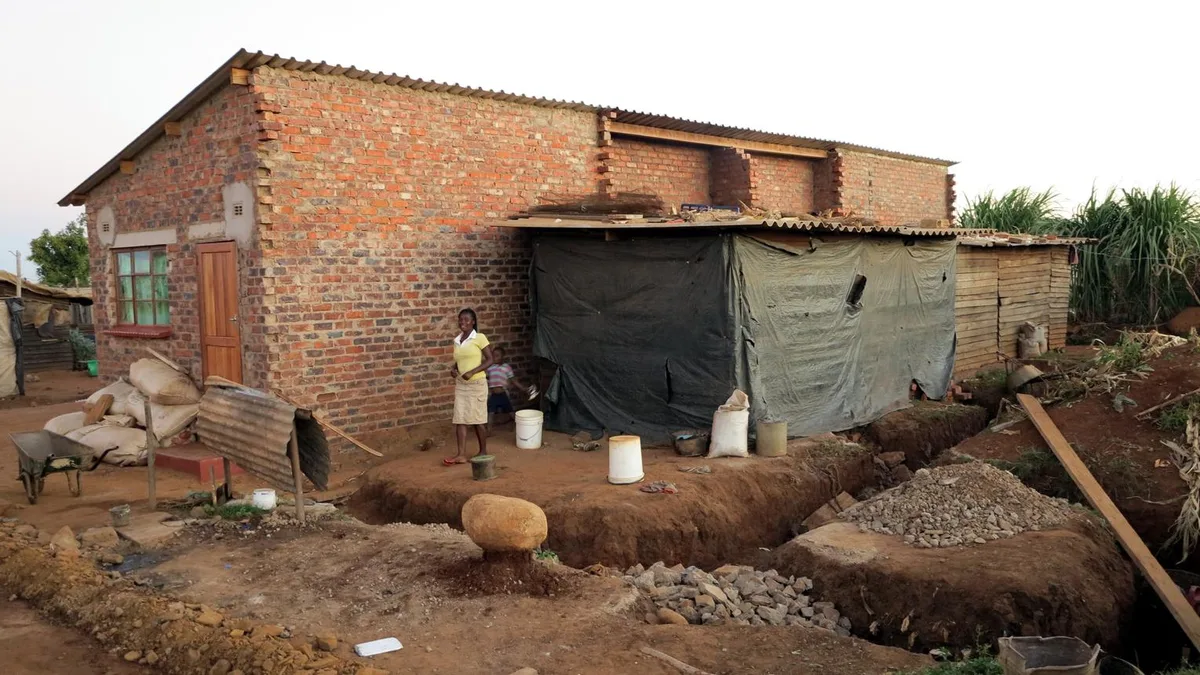
The warning has reignited fears of demolitions, particularly among homeowners who have already invested substantial amounts of money in building houses.
Although the council has maintained that demolitions would be a last resort, its corporate communications manager, Stanley Gama, previously indicated that fewer than 100 properties could potentially be affected, particularly those situated in areas that cannot be regularised.
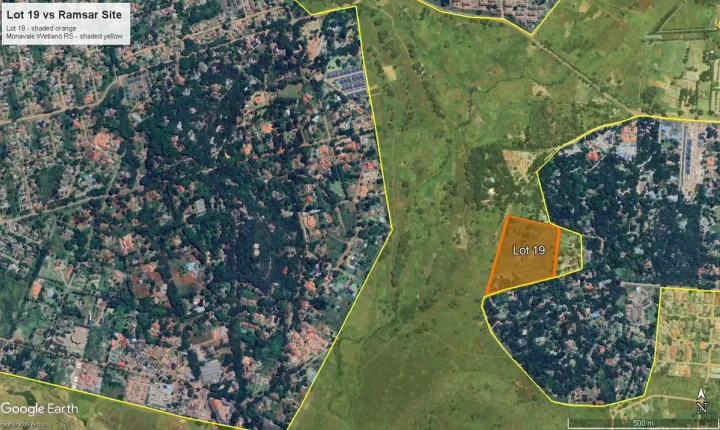
The council has identified environmentally sensitive areas and land reserved for public facilities among locations where regularisation may not be possible.
However, the municipality has not clarified what specific enforcement measures will apply to homeowners who have completed the verification process and made part-payments but are unable to clear their outstanding balances.
The distinction is significant because failure to settle regularisation fees does not necessarily mean a property is situated on land where development is prohibited.
For affected families, the consequences of enforcement could extend beyond losing property investments to include displacement, disruption of children's education and increased pressure on already stretched housing options.
Crisis in Zimbabwe spokesperson Marvellous Khumalo said residents were closely monitoring the verification and regularisation process.
“As residents, we hope that the municipality will consider extending the deadline for verification so that no deserving beneficiary is left behind and also that council benefits from billing properties rather than having residents who reside in a council area for free without paying for bills and rates,” he said.
Regularising the settlements would enable council to bring more properties into its billing system, improve revenue collection and strengthen urban planning.
However, residents associations argue that these objectives cannot be achieved sustainably by imposing payment demands that struggling households cannot realistically meet.
The exercise involves more than a single administrative fee, with beneficiaries potentially required to settle regularisation charges, penalties for unauthorised construction, outstanding land obligations and infrastructure-related costs.
The dispute has also brought the role of developers under scrutiny, particularly where residents claim they were assured that their stands had the necessary approvals.
Questions remain over whether developers fulfilled their obligations, how the payments collected from homeowners were used and what responsibility they should bear for settlements that now require regularisation.
City of Harare spokesperson Stanley Gama referred questions to Amos Muguti, who said he would release a statement on the issue.
The statement, however, had not been issued at the time of publication.
With the deadline expiring, homeowners who have already paid developers for stands, roads and electricity remain uncertain whether council will grant them more time or proceed with enforcement.
For families who spent years saving, paying instalments and building homes they believed were secure, the dispute has become more than a question of compliance with municipal regulations.