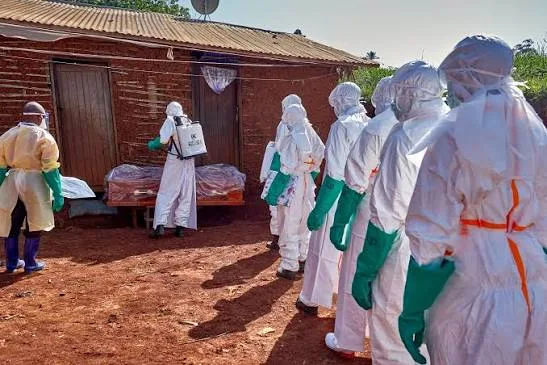
About four in five children who died of Ebola in eastern Democratic Republic of the Congo died outside a treatment centre, UNICEF said in its six-month assessment of the country’s deadliest outbreak.
By Nov. 4, health authorities had confirmed 2,959 cases among children under 18, of whom 1,737 had died. Children accounted for 28% of confirmed cases and 35% of deaths.
“Many children never reach the specialized care they need,” UNICEF said in its Nov. 13 statement.
Even among children who reached a treatment centre, some had little time left. One in three children under five admitted to a centre died within 24 hours. Across all confirmed cases in that age group, nearly 72% had died.
By the time UNICEF issued its assessment, the outbreak had spread to 67 health zones across eight provinces. Transmission remained active in 51 of them, while insecurity and attacks on health facilities hampered efforts to reach families.
The toll on children extended well beyond those who contracted the virus. More than 2,280 had lost a parent or been separated from their families since the outbreak began.
“In addition to the risk of infection, many have lost parents and caregivers, missed critical protection and healthcare, and had their schooling disrupted,” UNICEF said.
“All of this is happening in communities already living through conflict and displacement.”
In North Kivu, the strain on routine health care was evident in maternity services. Health facilities in Ebola-affected areas recorded nearly 18% fewer births from January to September than in the same period in 2025.
Schools have also struggled to protect pupils. Ebola prevention measures had yet to reach nearly 7,500 schools attended by almost 2.5 million children.
An assessment in Ituri early in the outbreak found that “81 per cent of children said Ebola made them feel afraid and stressed, and 89 per cent of parents said their own stress had gone up,” UNICEF said.
The agency and its partners have since provided individual mental health and psychosocial support to nearly 21,000 children. UNICEF has urged governments and donors to improve care for children in treatment centres and help reunite those separated from their families. It has also called for support for relatives and foster families who have taken children into their homes.