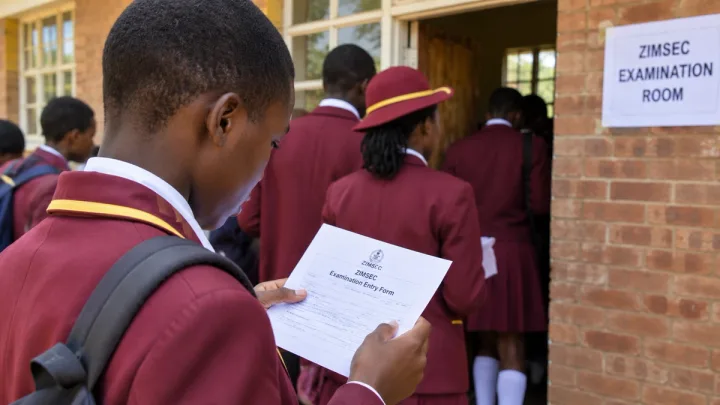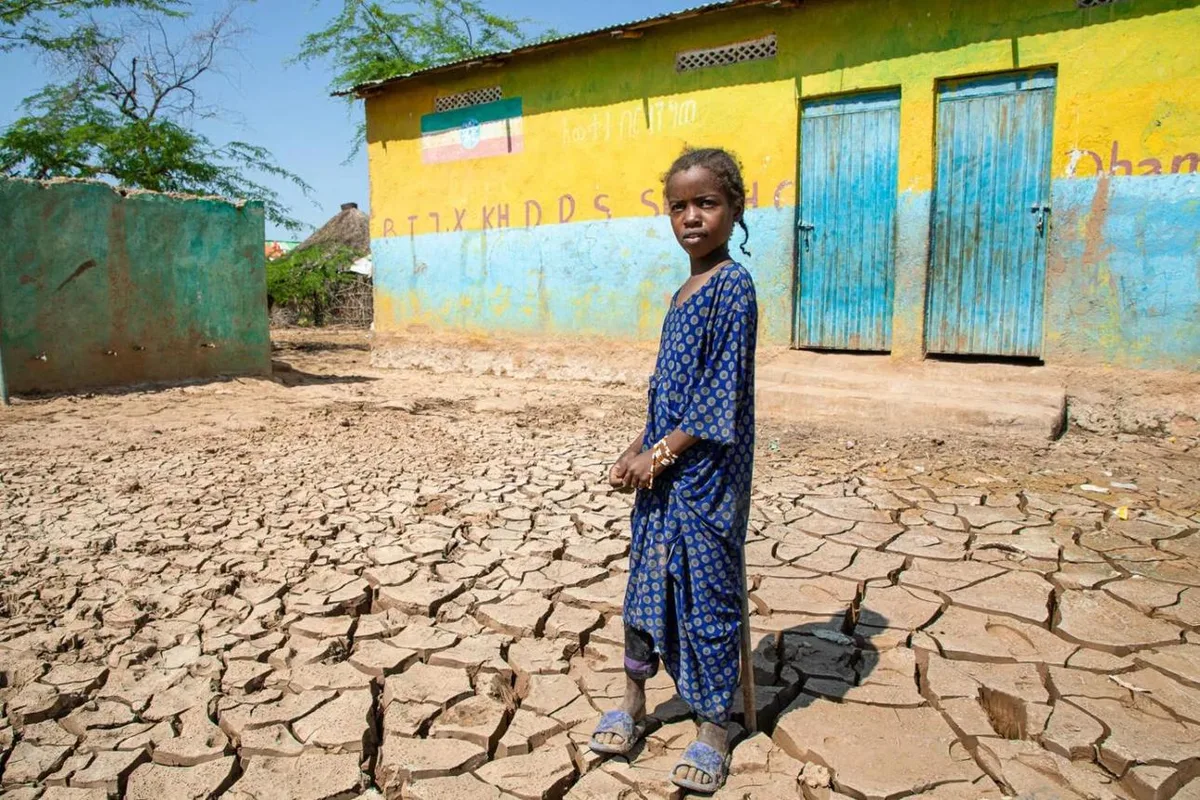
More than 41 million children in Eastern and Southern Africa face an increased risk of school disruptions as El Niño threatens to bring severe floods and droughts to parts of the region, UNICEF has warned.
The United Nations children's agency said unusually wet or dry weather could affect children across eight countries between October and December 2026.
The weather extremes could force schools to close, displace families and worsen food and water shortages in communities already struggling with climate-related challenges.
“The threat from El Niño is growing, and the risks for children are already clear,” said Etleva Kadilli, UNICEF regional director for Eastern and Southern Africa.
Kadilli said children across the region already face food insecurity, water shortages, overstretched health services and disruptions to their education.
“Further, major climate shocks will likely push children and the systems they rely on to breaking point,” she warned.
UNICEF identified the Greater Horn of Africa, particularly Somalia, as one of the areas facing heightened risks from above-average rainfall.
Heavy rains could trigger river and flash floods, spread waterborne diseases and prevent children from attending school.
Drought presents another threat, particularly to families that depend on farming for their livelihoods.
Prolonged dry conditions could destroy crops, reduce access to clean water and force families to relocate, further disrupting children's education.
UNICEF said the 41 million figure represents children living in areas where forecasts indicate unusually wet or dry conditions. It does not mean all those children will experience disasters or school closures.
The regional warning forms part of a broader global threat affecting more than 347 million children across nearly 100 countries and territories.
Asia and the Pacific account for the largest share, with approximately 190 million children exposed to the anticipated weather extremes.
UNICEF Executive Director Catherine Russell warned that El Niño could deepen existing hardships for vulnerable families.
“Children are also at risk of schools closing, while families could experience added financial hardship,” Russell said.
The warning comes after climate-related disasters disrupted learning for at least 171 million students worldwide in 2025.
A UNICEF report released in September found that storms, floods, heat waves and other extreme weather events forced schools to suspend classes, damaged classrooms and increased the risk of children dropping out.
The agency warned that further disruptions could widen educational inequalities, particularly in communities with limited resources to respond to emergencies.
Beyond education, UNICEF raised concerns about child protection as extreme weather threatens family livelihoods.
The agency reported that child marriage increased by an average of 119% in drought-affected areas of Ethiopia during a 2022 drought in the Horn of Africa.
It also warned that weather-related disasters displaced children more than 20,000 times a day worldwide between 2016 and 2023.
UNICEF is seeking $173 million to support emergency preparedness and humanitarian assistance across 13 countries, including Zimbabwe, Mozambique, Zambia, Malawi and Somalia.
The funding would help provide nutrition supplies, clean water, health services and other essential assistance to vulnerable children and families.
UNICEF also wants governments to strengthen school infrastructure and establish alternative learning spaces to keep children in education during emergencies.
The agency said early investment could significantly reduce the financial impact of disasters.
According to UNICEF, every $1 invested in disaster risk reduction can save up to $15 in future recovery costs.
However, less than 1% of international humanitarian assistance currently supports action taken before disasters strike.
UNICEF has urged governments and development partners to act on weather forecasts before the anticipated climate shocks intensify.