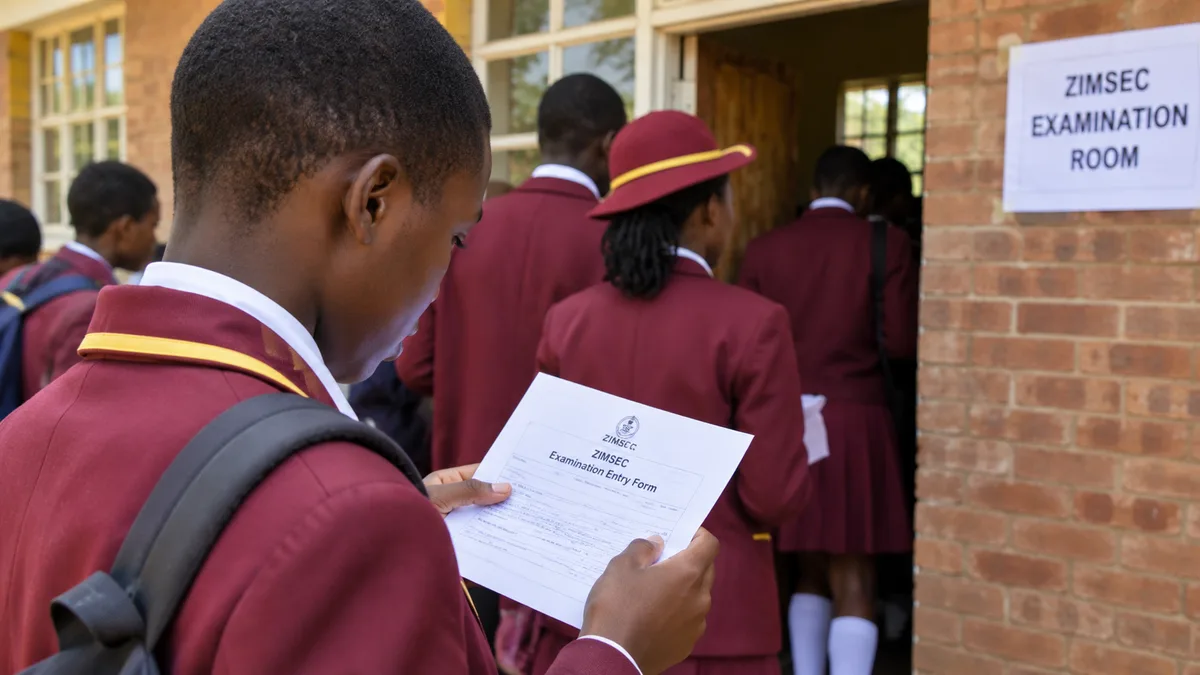
Zimbabwe will progressively withdraw examination fee subsidies from thousands of pupils beginning next year, leaving families outside a government welfare programme to cover the full cost of national examinations by 2028.
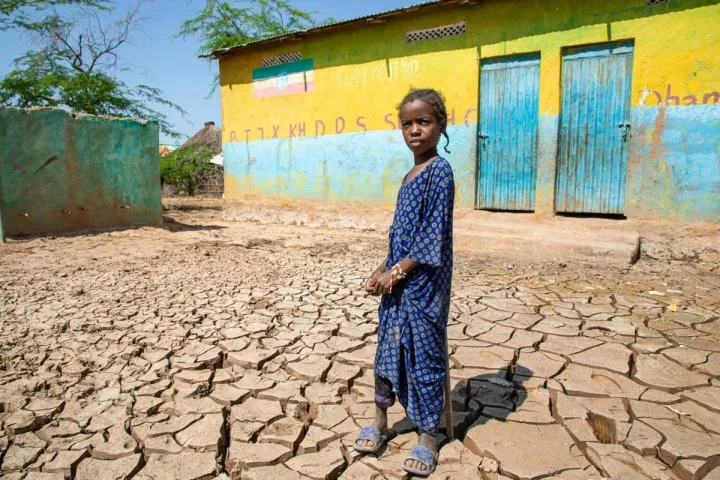
The Cabinet-approved changes will replace the broader subsidy system with one that exclusively supports pupils registered under the Basic Education Assistance Module (BEAM), raising questions about the fate of financially struggling households that do not qualify for assistance.
The government says the existing system has become too expensive to maintain and benefits some households capable of paying examination fees without state assistance.
"The current universal examination fee subsidy does not adequately distinguish between vulnerable pupils who genuinely deserve subsidy support and those pupils whose households have the financial capacity to pay examination fees independently," the government said in a statement released after Tuesday's Cabinet meeting.
Under the new arrangement, pupils attending rural primary and secondary schools classified as P3 and S3, satellite schools and those receiving BEAM assistance will continue benefiting from subsidies in 2027.
However, from 2028, only pupils covered by BEAM will remain eligible, regardless of whether they attend rural or urban schools.
The decision marks a significant change in how Zimbabwe finances national examinations, shifting greater responsibility from the state to parents and guardians.
It also raises questions about whether the existing social protection system can adequately identify and support every child whose family cannot afford examination fees.
The government introduced the examination subsidy in 2020, initially covering 53% of the cost while parents paid the remaining 47%.
In 2021, authorities increased the government's contribution to 55%, reducing the parental share to 45%.
The latest changes mean households losing eligibility will have to meet the full examination costs, although the government has not announced the fees applicable under the revised system.
For families already paying school fees, transport costs, uniforms and other educational expenses, the withdrawal could create additional financial pressure.
The changes also place greater importance on BEAM, a programme designed to help children from disadvantaged backgrounds access education.
However, the programme has faced funding challenges.
According to the Treasury's 2024 annual review, the government released ZiG43 million for BEAM during that year, but the funding fell short of the amount required to support the targeted 1.5 million pupils.
The shortfall resulted in government arrears to schools, highlighting longstanding financing difficulties within the programme.
The new policy comes as Zimbabwe prepares for another significant change to its examination system.
In May, the government announced that all schools would be required to register pupils for ZIMSEC examinations beginning in 2027, with schools wishing to retain Cambridge examinations required to seek permission.
The two policy changes place renewed attention on examination affordability as the country seeks to expand the use of its national examination system.
While the government argues that targeting subsidies will protect the most vulnerable pupils and ensure the sustainability of national examinations, questions remain over how families who fall outside BEAM will cope.
Cabinet has not disclosed how many pupils will lose subsidies under the new arrangement, how much the government expects to save or whether BEAM coverage will expand before the changes take full effect.
Those unanswered questions will be central to determining whether the revised system protects access to education or creates additional financial barriers for families unable to meet the full cost of examinations.