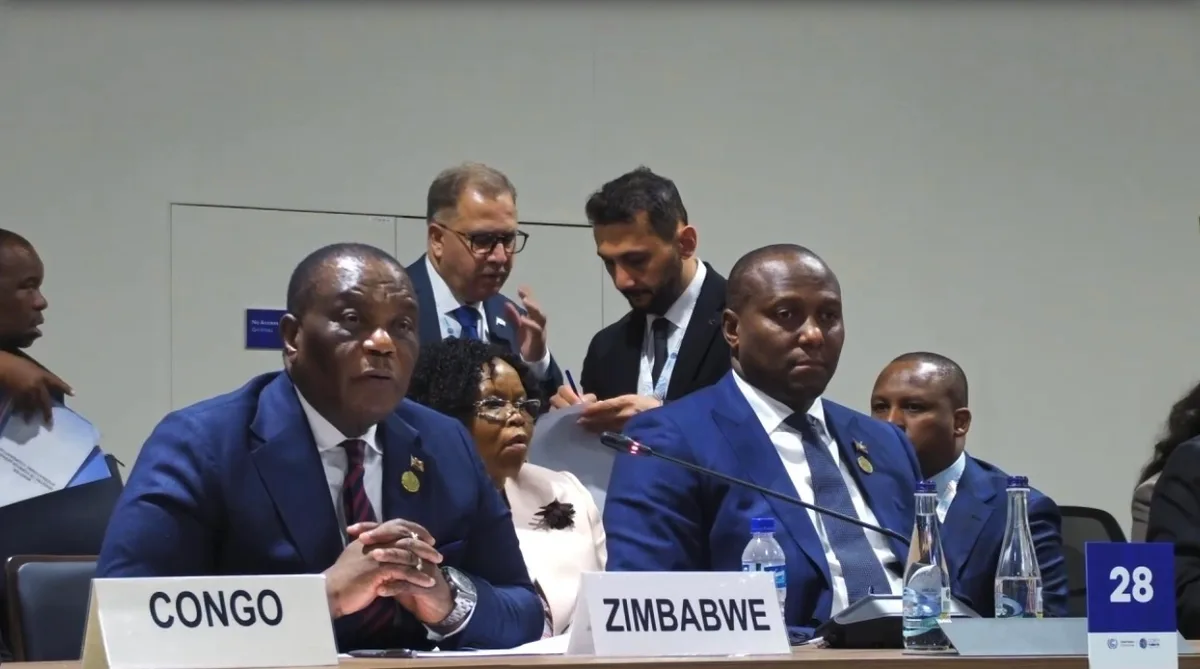
Vice President Constantino Chiwenga has demanded greater accountability from wealthy nations over climate finance, warning that vulnerable communities cannot afford prolonged delays in accessing support.
Addressing the COP31 leaders’ summit in Antalya, Turkey, Chiwenga said funding commitments must translate into transparent, measurable financial flows to support developing countries’ climate programmes.
“Excellencies, ambition without means is inadequate. Commitments must be honoured and measurable,” he said.
His intervention puts funding delivery at the centre of Zimbabwe’s climate demands as the country pursues emissions reductions alongside measures to protect livelihoods.
At COP29 in Baku, Azerbaijan, countries agreed to mobilise at least US$300 billion annually for developing nations by 2035, with developed countries taking the lead.
“The commitment to mobilise at least US$300 billion annually, under the Paris Agreement, must translate into transparent and measurable financial flows, with developed countries taking the lead,” Chiwenga said.
He called for increased adaptation finance to produce tangible benefits for underserved communities and urged countries to adequately resource the Fund for Responding to Loss and Damage.
“Communities already suffering climate change impacts cannot afford prolonged delays in receiving support,” he said.
Chiwenga said climate funding must be new and additional, predictable and adequate, placing emphasis on both the availability of resources and communities’ ability to access them.
Zimbabwe’s third Nationally Determined Contribution targets a 40% reduction in per capita greenhouse gas emissions by 2035 against projected business-as-usual levels.
Chiwenga also highlighted the Pfumvudza climate-smart agriculture programme, which he said was helping millions of smallholder households withstand climate shocks, secure food production and sustain rural livelihoods.
The programme formed part of the domestic measures he outlined alongside Zimbabwe’s emissions target and efforts to protect natural ecosystems.
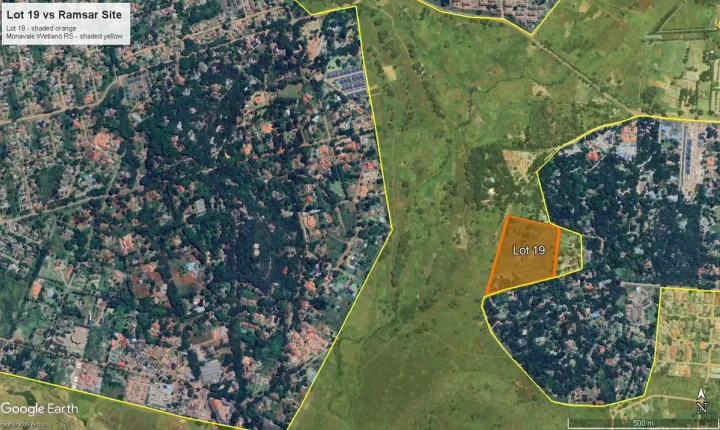
On wetlands, Chiwenga said Zimbabwe was advancing protection and restoration, building on its presidency of COP15 of the Ramsar Convention.
“As natural buffers against floods and drought, wetlands show that climate action, biodiversity conservation and sustainable land management must go hand-in-hand,” he said.