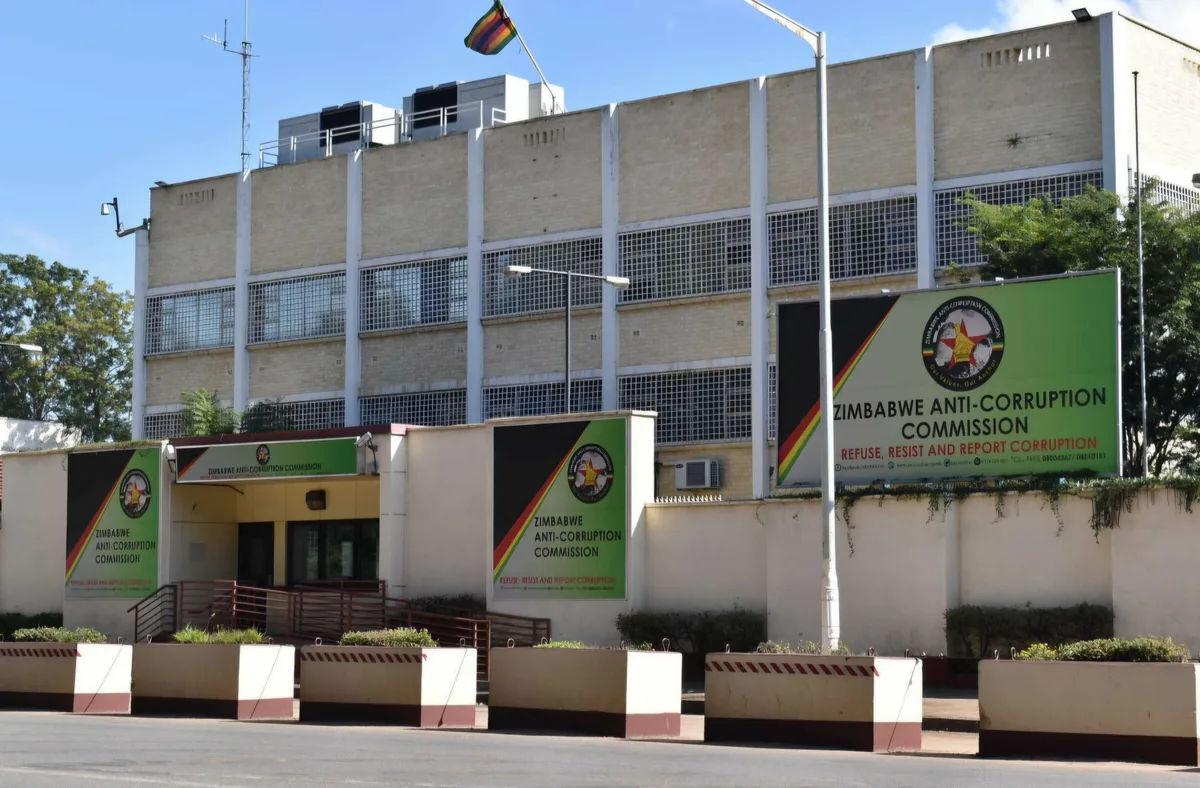
MOST of the 22 institutions that signed anti-corruption pledges in Harare on Thursday have failed to implement recommendations by the Auditor-General, the Zimbabwe Anti-Corruption Commission (ZACC) has revealed.
The institutions, drawn from local government, health and education sectors, have been challenged to plug administrative loopholes that leave public resources vulnerable to abuse, particularly in procurement and land allocation.
ZACC general manager for prevention of corruption Clara Nyakotyo said the majority of the institutions fell within the commission’s red category.
“For everyone we have not had an interaction with, we start from the red. Most of them have not implemented the Auditor General’s recommendations which identified areas of corruption. issues to do with procurement; and for local authorities’ allocation of land,” Nyakotyo said.Similar concerns emerged in the health sector, where the commission flagged the diversion of medicines and medical supplies from public health institutions.
Madiwa said curbing corruption would be critical to the successful implementation of the National Development Strategy 2 (NDS2), which runs from 2026 to 2030, alongside the recently approved second National Anti-Corruption Strategy (NACS2).
The government has also moved to incorporate corruption prevention into the performance contracts of public sector accounting officers, placing greater responsibility on institutional heads to enforce compliance.
“There can be no meaningful and sustainable development where corruption is allowed to flourish,” Madiwa said.
Among the participating institutions were Mutare and Gweru city councils, Zvimba and Murehwa rural district councils, Parirenyatwa Group of Hospitals and Prince Edward High School.