GOVERNMENT is pressing ahead with a sweeping legislative overhaul to implement Constitutional Amendment Act No. 3 (CAA3), despite lingering legal challenges to the law extending President Emmerson Mnangagwa’s tenure.
Cabinet on Tuesday approved the principles of the General Laws Amendment Bill, setting the stage for extensive changes to legislation governing elections, the judiciary, security institutions and several constitutional bodies.
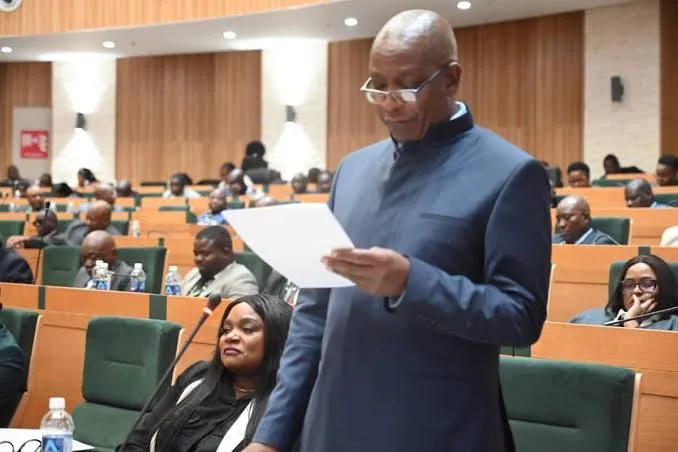
The proposed legislation, whose principles were presented by Justice, Legal and Parliamentary Affairs Minister Ziyambi Ziyambi, seeks to harmonise existing statutes with the amended Constitution.
“The amendments will give full effect to the Constitution of Zimbabwe Amendment (No.3) Act of 2026,” Cabinet said in its post-meeting briefing.
The development comes nearly five months after Mnangagwa signed into law contentious constitutional amendments extending presidential and parliamentary terms from five to seven years and abolishing direct presidential elections.
The amendments effectively deferred Zimbabwe’s next general elections from 2028 to 2030, allowing incumbent officeholders to remain in power for an additional two years.
Among the most consequential electoral changes is the transfer of voter registration and management of the voters’ roll from the Zimbabwe Electoral Commission to the Registrar-General’s Office.
The legislative overhaul will also encompass changes to the jurisdiction of the Constitutional Court, the appointment of the Prosecutor-General and the functions of the Zimbabwe Human Rights Commission and the Defence Forces.
Government also intends to repeal the National Peace and Reconciliation Commission Act, with Cabinet noting that the commission’s constitutionally prescribed 10-year lifespan expired in August 2023.
The legislative reforms are, however, unfolding against the backdrop of litigation instituted by opposition politicians and liberation war veterans contesting the validity of several provisions of CAA3.
At the centre of the legal wrangle is whether Parliament could lawfully alter the manner in which Zimbabweans elect their president and extend the tenure of incumbent officeholders without subjecting the changes to a national referendum.
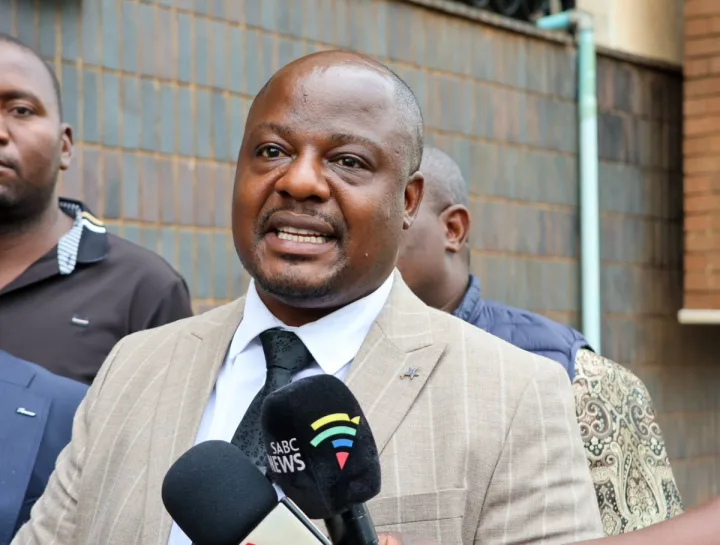
Movement for Democratic Change (MDC) leader Douglas Mwonzora, one of the architects of the 2013 Constitution, contends that abolishing direct presidential elections infringes on political rights entrenched in the Declaration of Rights.
“Because it affects the right to vote, which is in the Bill of Rights, the bill must have been subjected to referendum first,” Mwonzora recently said.
The State, however, maintains that the amendment altered Section 92, which governs presidential elections, rather than Section 67, which guarantees political rights, and consequently did not require a referendum on that basis.
The Constitutional Court reserved judgment in two challenges to CAA3 last week, leaving the contested amendments in force.
Two further applications, lodged by the MDC and war veterans Joseph Chinguwa and Digmore Ndiya, were scheduled for hearing on Wednesday, barely a day after Cabinet approved the legislative principles.