Joyful Dube is excited about seeing British-Nigerian singer and producer Maleek Berry at Dzokafest, but memories of last year’s event have made her hesitant to buy a ticket.
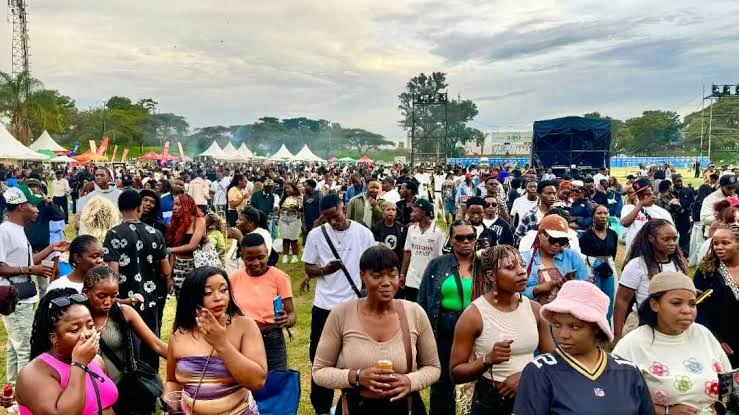
Dzokafest is a music festival built around festive-season homecoming, combining live performances with an occasion for Zimbabweans, including those returning from the diaspora, to reconnect with family and friends.
This year’s edition is scheduled for Sunday, Dec. 20, at Lifestyle Park in Chishawasha, near Harare.
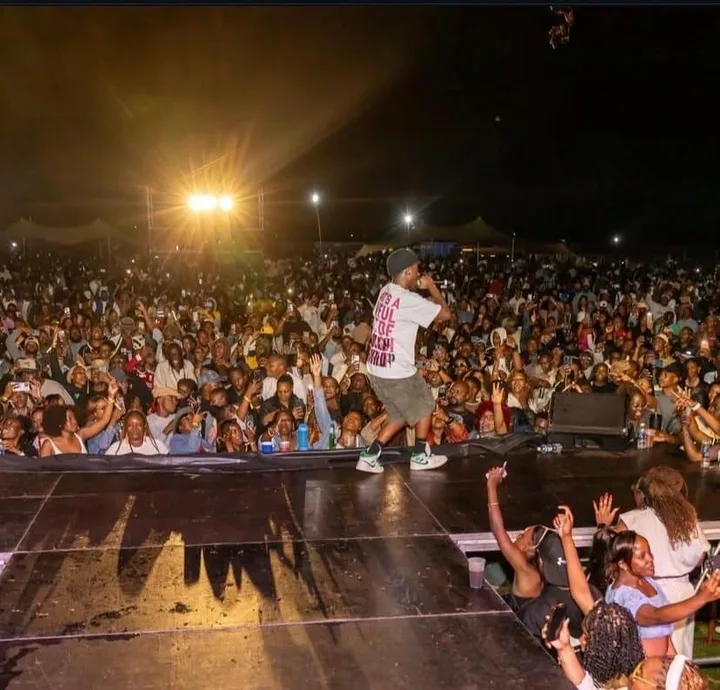
“I was at Dzoka Fest last year, and it was a disaster, so I was really sceptical about getting tickets this year,” Dube said.
Berry, born Maleek Shoyebi, has built an international following through songs such as “Kontrol” and “Been Calling,” alongside production work for leading Nigerian musicians.
For Dube, his inclusion is an attraction, but deciding whether to return involves more than recognising a favourite name on a poster.
Dzokafest shares its date with Unplugged Zimbabwe, an outdoor live-music event known for its relaxed, picnic-style setting, where audiences gather with blankets and chairs to watch established and emerging performers.
Founded in 2013 by Chiedza Danha and Ellinah Chipumha, Unplugged is now owned by comedian Mukudzei Kandoro Majoni, known professionally as King Kandoro, and his wife.
Its December edition, at First Capital Bank Sports Club, brings together performers whose appeal stretches from contemporary South African R&B to Zimbabwe’s urban grooves and newer hip-hop sounds.
Among them is South African singer Elaine, born Ndivhuwo Elaine Mukheli, whose independently released 2019 EP, Elements, achieved platinum status and established her as a prominent voice in the country’s R&B scene.
Fellow South African R&B and soul singer Lordkez, born Keziah Zoë Meyers, won the South African Music Award for best R&B/soul album in 2024 for Testament.
Zimbabwean urban grooves veteran Decibel (Daniel Mazhindu) offers a connection to early-2000s favourites such as “Chido” and “Nakai,” while rapper Sane Wav represents a newer generation whose breakthrough came with “Bhimu.”
For listeners, those names offer different reasons to attend: a first opportunity to hear a newer favourite live, or another chance to sing along to music they have known for years.
Majoni, Unplugged’s festival director, believes the variety of musical tastes in Harare makes it possible for both events to attract audiences.
“I think the belief that these events are competing for the same audience has been grossly exaggerated,” he said.
He described Unplugged as leaning towards R&B, hip-hop and vocal performances, while viewing Dzokafest as offering a more upbeat, dance-oriented experience.
“It would be very arrogant of us to assume that lineup should cover everyone interested in going out,” he said.
Dzokafest director Tanatswa Makopa also rejects the idea that the two events necessarily depend on the same people buying tickets.
“I feel like our audiences are different,” he said.
Alongside Berry, Dzokafest has booked British-Nigerian singer Gabzy, whose music blends R&B, soul and Afrobeats and whose Malone EP helped establish his solo career.
Its Zimbabwean performers include Holy Ten (Mukudzei Chitsama), who rose to prominence through songs such as “Gamu,” drawing on unemployment, poverty and other experiences familiar to young listeners.
There is, however, some overlap between the two bills.
Zimbabwean singer and rapper Takura Bernard Shonhai, known professionally as Takura, is listed for both events.
A former member of Soul Afrika, Takura established his solo career with songs including “Zino Irema,” “MaObama” and “Mungandidii,” moving between singing and rap in a way that gives him an audience across genres.
His presence on both lineups gives fans another consideration: when their preferred performers will take the stage.
Majoni suggested that some concertgoers could attend both events, going to Unplugged before travelling to Dzokafest later.
He pointed to Johannesburg, where several events can take place simultaneously, as an example of how different musical preferences can support different shows.
“If I wasn't involved in organising Unplugged, I would be spoilt for choice,” he said.
He remains confident that Harare offers a sufficiently large pool of potential customers.
“It's not like we're competing for the same 1,000 people,” he said.
Majoni cited the city’s population, returning diaspora residents and school holidays as reasons to expect demand.
Makopa, meanwhile, sees Dzokafest’s homecoming identity as: "Part of its appeal, extending the occasion beyond individual performances to the reunions that accompany December visits."
But Dube’s reservations concern what happens once people have bought tickets and arrived at the venue.
She said performances at last year’s Dzokafest began around 8 p.m., despite concertgoers arriving during the afternoon, and complained about the timekeeping and choice of master of ceremonies.
Rain added to what she described as a disappointing experience.
She had particularly wanted to hear DJ Maphorisa, the South African DJ and producer whose work has helped take amapiano, a South African dance-music genre, to international audiences.
Makopa said Dzokafest was working towards a more organised event this year, with the team focusing on improving the overall experience.
He said sound production was handled by an external service provider.
Dube’s account of last year’s wait explains why those arrangements matter to someone considering another ticket.
“We didn't even get to hear Maphorisa, and I left at 1 thinking he would show up, and that's the main reason I went,” she said.