In Harare, even the weekends seem to be working overtime.
Hardly has one party ended before another colourful poster starts making the rounds on WhatsApp.
One friend is pushing for a concert, another has discovered a food festival, and someone else is already planning an outfit for an event two weeks away.
November is particularly unforgiving for anyone hoping to spend a quiet weekend at home. From music concerts and art fairs to themed parties and food festivals, the capital seems determined to keep its residents entertained and their wallets busy.
On Nov. 7, party lovers can choose from Hunter's Big Refresh Party and other social gatherings. A week later, Zimpraise's 20th-anniversary celebration shares the calendar with Deep End.
The Cheuka Harare Art Fair takes over from Nov. 17 to 19, while ROOTS X and The Hangout Food Fest add to the excitement on Nov. 28.
And that is before the inevitable last-minute invitations that have a habit of appearing just when someone has decided to save money.
For Harare's social butterflies, the biggest problem might no longer be finding somewhere to go. It is deciding where to go, what to wear and, perhaps most importantly, how to pay for it all.
There is something refreshing about a city with so many entertainment choices.
Whether one prefers gospel music, dancing until late, admiring art or simply enjoying good food with friends, November appears to have an invitation for almost everyone.
But while the rest of us debate which event deserves our last US$20, another interesting story is unfolding behind the music, flashing lights and endless selfies.
Harare's appetite for entertainment is keeping a whole network of people busy.
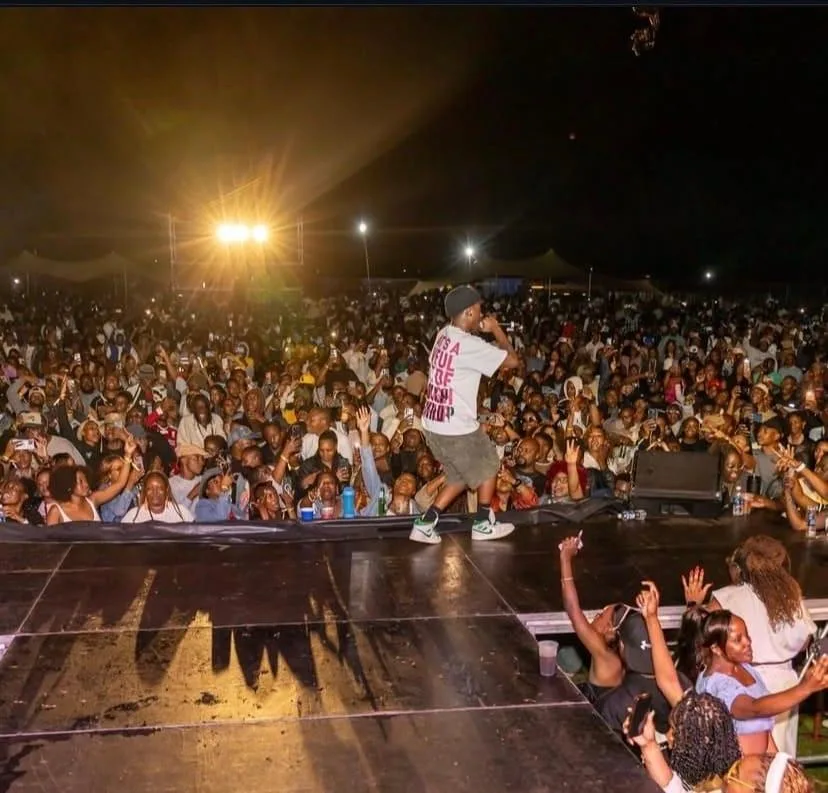
Think of the sound engineer who spends hours preparing equipment, the photographer hunting for the perfect shot, the caterer preparing food and the security guard who must remain alert while everyone else is having fun.
Then there are DJs, designers, decorators, cleaners, drivers and the people responsible for making sure the stage does not fall apart before the headline act arrives.
The audience may only remember the performer, but it takes a small army to produce a memorable event.
Elsewhere in Africa, cities have learned that a good party can be much more than a night out.
Take Lagos, where the famous "Detty December" season has turned end-of-year celebrations into something of a homecoming tradition.
Nigerians living abroad return for concerts, parties, family reunions and the chance to enjoy the city's energetic nightlife.
The excitement has become big business. Research on the 2025 festive season estimated consumer spending at an extraordinary 396.54 billion naira, covering accommodation, entertainment, food, shopping and other activities.
Of course, Harare is not Lagos, and there is no reason to pretend that the two cities operate on the same scale.
Still, the lesson is interesting. People who travel for entertainment do not spend money on tickets alone.
They eat, sleep, shop and move around, spreading their spending far beyond the venue.
Cape Town has also built a reputation around events, from the Cape Town International Jazz Festival to sporting and cultural gatherings.
According to the city's own figures, events held during 2025 attracted more than 3.4 million spectator and participant attendances.
Even further afield, Edinburgh in Scotland has turned its annual festival season into an international attraction, drawing performers and visitors from around the world.
These cities demonstrate how entertainment can become part of a destination's identity rather than merely something people do when they have nothing better planned.
And Harare has plenty to work with.
Zimbabwe boasts talented musicians, comedians, visual artists, dancers and DJs. Its audiences are enthusiastic, and social media has made promoting events easier than ever.
Even relatively small gatherings can give emerging performers a chance to build a following.
The real opportunity is to make those experiences enjoyable enough for people to return and perhaps even encourage visitors from outside Harare to join the fun.
But there is one guest who cannot be ignored at this party: the economy.
An event ticket might cost US$10 or US$20, but getting through the evening could require considerably more.
There is transport to consider, something to eat and perhaps an outfit because, apparently, being photographed twice in the same clothes has become a concern for some social media enthusiasts.
Attend several events in one month and the excitement can quickly turn into an uncomfortable conversation with your bank balance.
December is also approaching, bringing its familiar demands on household finances.
A good time should not become a financial emergency.
For organisers, the crowded calendar brings another challenge. With so many options available, audiences can afford to be selective.
A famous performer may attract attention, but good sound, reasonable prices, security and proper organisation help turn first-time visitors into loyal customers.
Nothing spoils a promising evening quite like endless queues, poor sound or discovering that the advertised experience looks much better on Instagram than it does in real life.
There is also a case for giving upcoming artists meaningful opportunities instead of repeatedly relying on the same established names.
After all, today's unknown performer could become tomorrow's headline attraction, provided someone gives them a decent stage and a genuine chance to shine.
And while audiences enjoy themselves, the people working behind the scenes deserve fair treatment and prompt payment.
A packed venue means little to a photographer or technician still chasing payment weeks after the crowd has gone home.
Harare's increasingly colourful entertainment calendar is worth celebrating. It offers opportunities to relax, discover talent, make memories and support businesses that depend on the city's social life.
Not everyone needs to attend every event, and nobody should feel that staying home amounts to missing an important chapter of history.
Sometimes, the best weekend involves no ticket, no dress code and no alarming bank notification.
But for those who choose to go out, November promises plenty of excitement.
The challenge is making sure the good times benefit more than the people appearing in photographs.
After all, the best party is one where the guests go home smiling, the organisers are happy and everyone who helped make it happen gets paid.