Zimbabwe’s economy is projected to reach US$66 billion this year, but government departments have requested almost three times Treasury’s 2027 spending ceiling.
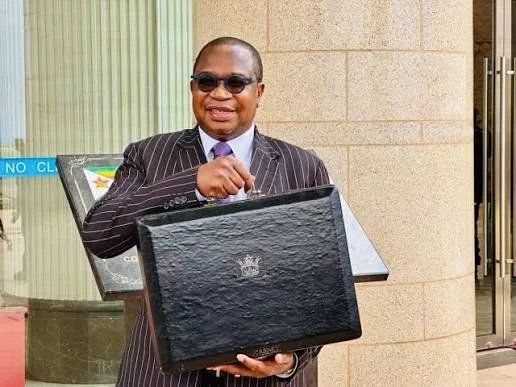
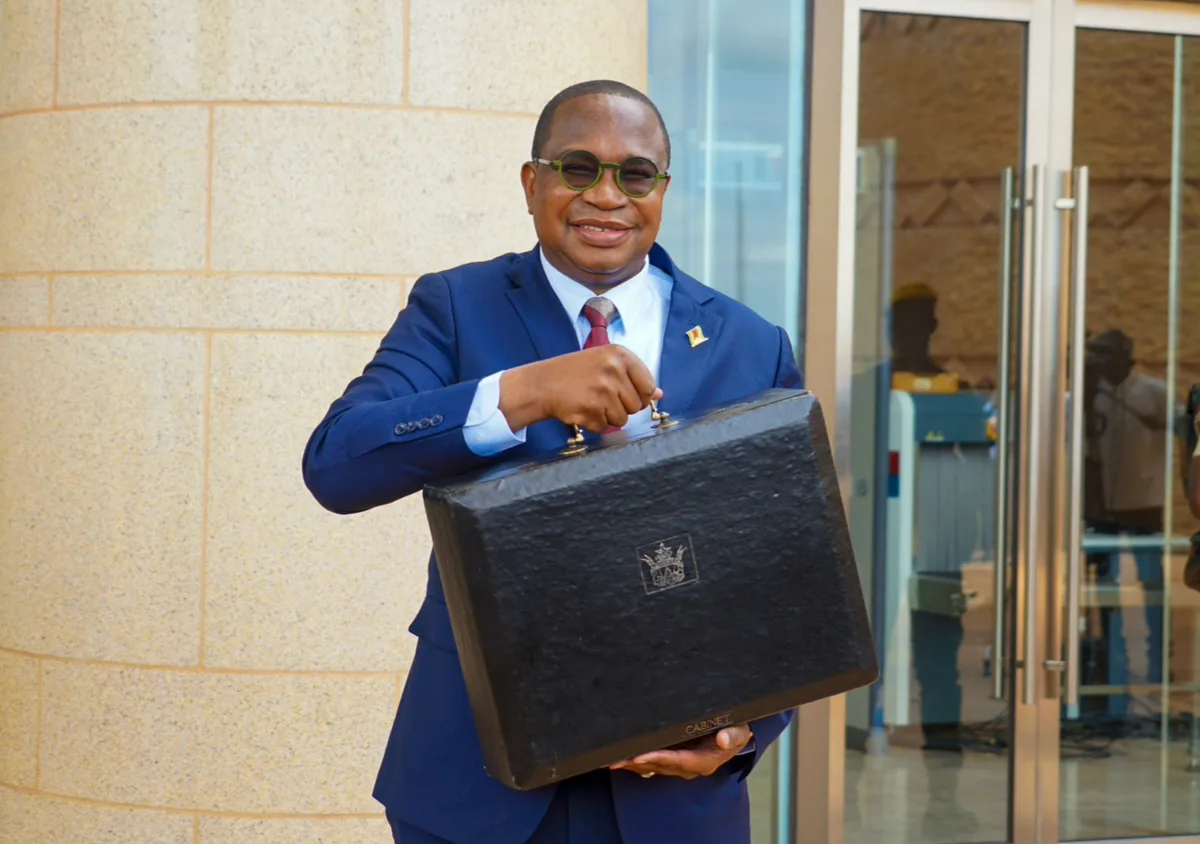
Finance Minister Mthuli Ncube told Parliament on Thursday that ministries, departments and agencies had sought ZiG974 billion against a ceiling of ZiG358.3 billion.
The budget also projects growth to slow from 5% this year to 3.5% next year as Treasury prepares for a possible drought.
“This brings the size of the economy to approximately US$66 billion in 2026, more than double the GDP value of US$21 billion in 2019,” Ncube said.
Treasury expects to collect ZiG349.5 billion in revenue next year, far below the amount requested by government departments.
Ncube ranked Zimbabwe’s economy 14th in Africa and put gross national income per person at about US$4,100, which he said ranked seventh.
Part of the increase in the headline GDP figure reflects changes in how the economy is measured.
The World Bank said a rebasing of Zimbabwe’s national accounts lifted its 2024 GDP estimate from US$35 billion to US$45.7 billion.
Ncube said the economy grew by 8.3% in 2025. Growth during the first nine months of 2026 was 4.8%, driven by agriculture, manufacturing and wholesale and retail trade, he said.
Treasury’s weaker forecast for 2027 reflects the risk of an El Niño-related drought. The budget allocates ZiG27.6 billion to agriculture and includes a US$400 million contingency against more severe shocks.
Ncube said the Grain Marketing Board had procured 365,000 metric tons of grain by the end of October.
The government wants to build the strategic grain reserve to 600,000 tons by 2027.
Other allocations include ZiG1.6 billion for housing, about ZiG1.9 billion for youth empowerment and ZiG21.5 billion for social welfare.
Economic analyst Benedict Marufu welcomed the proposed spending on water and sanitation, pointing to the Gwayi-Shangani Dam project and its expected role in supplying Bulawayo and Matabeleland.
He said “the budget is people centred because it is focusing on the upcoming El Nino drought and funding mitigating areas.”
For households and businesses, Ncube proposed cutting the intermediated money transfer tax from 1.5% to 1.25% on ZiG transactions and from 2% to 1.75% on foreign currency transactions.
He also proposed raising the income tax-free threshold from US$100 to US$150, or its ZiG equivalent.
Marufu said “a relief of 0.25 per cent for both currencies will come in handy for most of the transactions that the households would want to do.”
Marondera Central lawmaker Caston Matewu said Treasury should have cut the transfer tax further.
“What we wanted to see was at least everything going down to 1 percent,” he told journalists after the speech.
Matewu welcomed the absence of a sharp increase in the sugar tax but questioned whether ministries would receive the funds allocated to them. He said many had received about half their allocations in previous years.
Ncube said ministries, departments and agencies had spent an average of 74.5% of their approved 2026 budgets by Oct. 30. His speech did not say how much funding each ministry had received.