A school cannot pay its suppliers with money that exists only in the national budget.
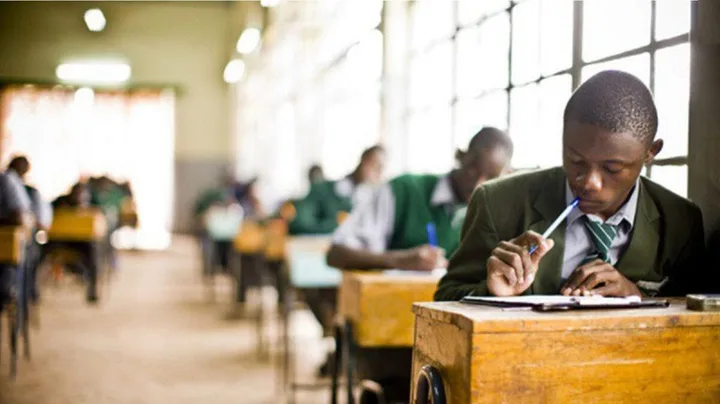
Consider Baba Tawanda, an imagined rural secondary school headmaster waiting for the government to settle fees for pupils supported through the Basic Education Assistance Module (BEAM).
Keeping those children in class means carrying the cost until Treasury pays.
The bill stays with the school.
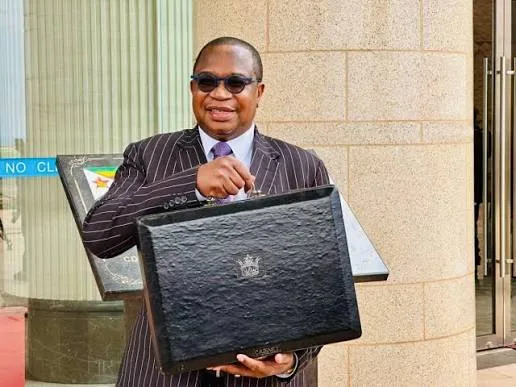
That predicament captures the challenge facing Finance Minister Mthuli Ncube as he prepares to present the 2027 National Budget on November 19.
Every ministry can make a case for more funding.
Treasury must decide which demands it can accommodate and explain the consequences of those it cannot.
Limited resources make prioritisation necessary.
They also make public scrutiny of those priorities indispensable.
Government has cut its 2027 growth forecast from 5% to 3.5%, citing an expected El Niño-induced drought.
Plans to provide US$250 million in cash and an equivalent amount for grain purchases reflect the need to prepare for a potentially difficult agricultural season.
Drought preparedness deserves support.
Parliament must still establish how government will finance it, which programmes face reduced funding and what protection remains for vulnerable households.
The July Budget Strategy Paper projected a deficit of 0.5% of gross domestic product.
The broader 3% deficit ceiling sets an upper limit; it does not establish the actual deficit Treasury intends to run.
The budget must make that distinction clear and account for any changes in the fiscal outlook.
Health financing presents a more immediate test of candour.
UNICEF’s 2026 Health Budget Brief puts the Health ministry’s allocation at ZiG30.4 billion against a national budget of ZiG290.9 billion, approximately 10.5%.
That falls below the Abuja Declaration commitment to allocate at least 15% of national budgets to health.
The Community Working Group on Health welcomed a reported 15% allocation, while warning that funding remained inadequate for primary healthcare.
That qualification matters as much as the endorsement.
Treasury should publish a reconciliation of the competing percentages.
If the higher figure includes expenditure outside the ministry’s vote or earmarked levies, it must identify those amounts, disclose the total budget against which it calculates the share and eliminate double counting.
Meeting a spending benchmark also requires scrutiny beyond budget day. Allocations, cash releases and actual expenditure measure different stages of delivery.
A hospital gains little from a favourable allocation if it cannot access the funds when medicines and equipment are needed.
BEAM exposes the cost of that disconnect.
In August, Deputy Public Service, Labour and Social Welfare minister Mercy Dinha told Parliament that arrears accumulated during 2023–2025 amounted to about US$292.5 million.
She also disclosed partial Treasury releases.
Addressing the pre-budget seminar in Bulawayo, Ncube subsequently said about US$100 million had been released towards arrears clearance.
He also said BEAM beneficiaries were being audited to establish eligibility.
That response deserves acknowledgement. Treasury should now disclose how much has reached schools, the verified balance outstanding and a timetable for settling the remaining claims.
The 2026 budget set aside ZiG5.6 billion for BEAM, including arrears clearance.
Before making another allocation, Treasury should account for the implementation of that undertaking.
Verified arrears are debts arising from schooling already provided.
Placing them alongside fresh funding bids understates the obligation and conceals the burden transferred to schools.
Delayed payment leaves institutions to absorb costs that government undertook to meet.
For a headmaster in Baba Tawanda’s position, the Blue Book, which contains the detailed spending estimates, offers limited comfort without a credible payment schedule.
Civil service pay presents another difficult choice.
In its May Day statement, the Zimbabwe Congress of Trade Unions identified US$540 as the remuneration benchmark before October 2018.
Any comparison with current earnings must distinguish basic salary from allowances and take-home pay, and assess what those earnings can buy.
Treasury has to contain employment costs. It must also recognise that teachers, nurses and other public workers deliver the services its allocations are meant to support.
A sustainable wage policy requires costed adjustments, clear implementation dates and staffing reforms that protect essential services.
The same discipline should govern the proposed shift towards infrastructure spending.
Roads, dams and power projects can strengthen the economy.
Their value depends on sound project selection and adequate provision for the staff, maintenance and operating costs needed to sustain public services.
Public consultations should influence these choices.
Parliament must require an explanation where major spending decisions depart from the priorities citizens raised, and insist on quarterly reports comparing approved allocations with cash releases and actual expenditure.
A BEAM arrears repayment timetable, a transparent health funding calculation and funded milestones for wage adjustments would give the public something measurable after the budget speech.
For schools waiting on Treasury, credibility begins when government meets the payment date it has set.
The budget has a ceiling.
Government must explain who bears the cost of its choices, how long they must wait and when it will honour existing obligations.
Simbarashe Namusi is a media expert writing in his personal capacity.