Zimbabwe’s proposed cut in customs duty could put a smartphone within reach of more households, but the cost of data will still determine how often they can afford to use it.
Finance Minister Mthuli Ncube proposed scrapping the 25 percent duty on imported mobile phones when he presented the 2027 National Budget on November 19, saying he wanted more Zimbabweans to have access to mobile technology.
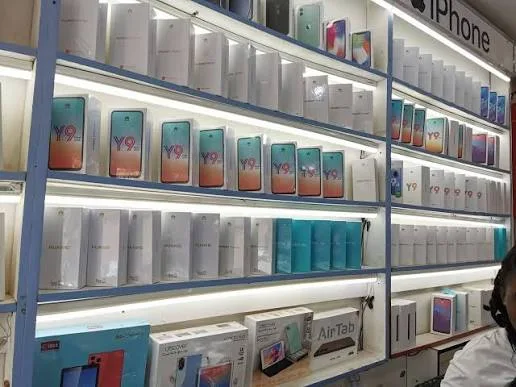
A snap survey in Harare’s central business district found little movement in handset prices after the announcement, and one shop owner at Copacabana pointed to a change in what retailers were putting on their shelves.
“We have been bringing in new models because old ones that are supposed to be cheaper are being phased out.
“So you will not feel the relief as it were,” the shop owner said.
At one Econet shop, a sales representative said prices had barely moved, although buyers who could not afford a handset outright could spread the cost through the company’s Payflex plan.
“Under this scheme, one can pay as little as 70 cents per day $5 per week or just $22 per month for a decent handset, which make the devices affordable for the low income earners” he said.
For a trader importing a phone with a customs value of US$100, the proposed saving is substantial.
Under the current arrangement, the phone attracts US$25 in customs duty and a further US$19.38 in value-added tax (VAT), taking the cost to US$144.38 before transport and retail mark-ups.
Scrapping the duty would also bring the VAT bill down to US$15.50, leaving the importer to pay US$115.50 for the same handset, a reduction of about 20 percent.
How much of that US$28.88 reaches the buyer will depend partly on competition among traders, who must still cover transport and distribution costs and allow for exchange-rate movements when setting prices.
Economic analyst Benedict Marufu described the handset trade as a “perfect competition market”, arguing that the ease with which newcomers could enter the business put established dealers under pressure to cut prices.
“So what the budget has done is to allow the players in the market, the retailers and the importers to be able to compete further on the price because by virtue of there being a perfect competition where anyone can join they are forced to lower prices so that they can attract customers.
“So they will lower prices to an extent where they will still remain profitable and still be able to compete,” he said.
Marufu said dealers would have room to offer customers a discount and still keep part of the saving.
“When they are lowering the cost to remain competitive or in the market, they will not necessarily lower the cost by the exact same margin of the scrapped customs duty.
“So the customs duty was reduced by 25 percent, the prices may reduce by say 10-15 percent, meaning the other buffer that will remain will be a profit margin that will b enjoyed by the players in the market,” he said.
Information and Communication Technology Minister Tatenda Mavetera welcomed the proposal and urged traders to pass the savings on to buyers, saying the price of a device had been one of the biggest barriers to internet access.
For a student who relies on a phone to download course material or a trader who uses it to advertise goods, buying the handset is a one-off expense, while buying data is a recurring one.
The budget also proposed allowing network operators to defer VAT payments, a measure Marufu said could help them expand their networks as demand grew.
“So it means that they can defer their VAT to allow them to be able to grow, to expand and to be able to meet the growing demand of ICT gadgets in the country.
“So the cost of data will not necessarily grow like the law of demand and supply because there is another initiative that has been proposed whereby network providers will enjoy the deferment of VAT to allow them to grow their bands or infrastructure to allow the increased growth by usage of the gadgets,” he said.
Economic analyst Vincent Musewe said that while cheaper phones could benefit ordinary Zimbabweans, the price of data could still put regular internet access beyond the means of the very people the duty cut was intended to reach.