Zimbabwe faces a potentially devastating livestock crisis, with nearly 40% of its national cattle herd threatened by drought, raising fresh questions over the government's preparedness to protect rural livelihoods.
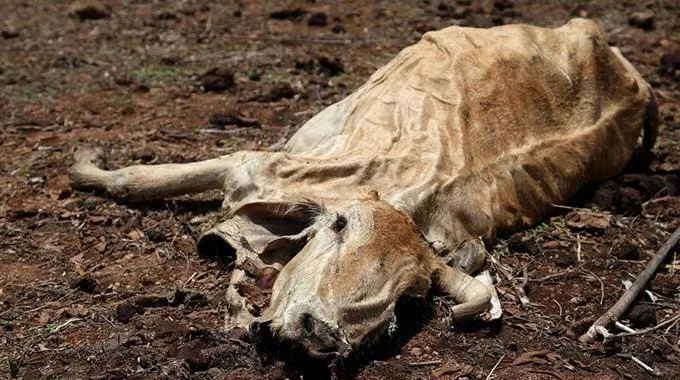
ZIMBABWE'S livestock sector faces a major threat after the government revealed that more than 2,2 million cattle, representing nearly 40% of the national herd, are at risk of drought, potentially dealing a heavy blow to rural livelihoods and agricultural production.
The alarming figures come as the country enters the 2026/27 farming season amid warnings of a strong El Niño phenomenon, raising concerns over the government's capacity to protect vulnerable farmers from potentially crippling livestock losses.
"Under the Livestock Drought Mitigation Pillar, a total of 2 248 498 cattle will be at risk because of the drought, constituting 38.9% of the total cattle population of 5 750 439," the government said in its post-Cabinet briefing on Tuesday.
The warning followed Cabinet's consideration of the 2026/27 Summer Plan, presented by Agriculture minister Anxious Masuka, which outlines measures to mitigate the anticipated drought's impact on agricultural production and food security.
However, the government has not disclosed which provinces face the greatest threat or how much it intends to spend on protecting the vulnerable livestock.
The projected threat could have far-reaching consequences for Zimbabwe's rural economy, where cattle remain a critical source of household wealth, income and draught power.
For thousands of smallholder farmers who depend on animal-drawn ploughs, significant cattle losses could undermine agricultural production, further exposing already vulnerable households to food insecurity.
The potential losses also threaten to reverse years of investment by farmers who have struggled to build and maintain their herds.
Cabinet said the government had established 914 Ward Drought Mitigation Centres out of the country's 1 527 rural wards as part of its response to the anticipated dry conditions.
Authorities also reported strengthening early warning systems and communication with farmers and traditional leaders.
However, the briefing provided no specific details on supplementary livestock feeding programmes, emergency water provision or veterinary interventions to prevent potential cattle deaths.
The government said irrigation development had reached 308 969 hectares, with 119 068 hectares earmarked for maize production this summer.
Meanwhile, the Grain Marketing Board held 365 688 metric tonnes of grain in the Strategic Grain Reserve as of November 9, against a government target of 600 000 tonnes by October 2027.
With nearly four in every 10 cattle facing drought-related risks, questions remain over whether the government's mitigation measures will be sufficient to avert widespread livestock losses.