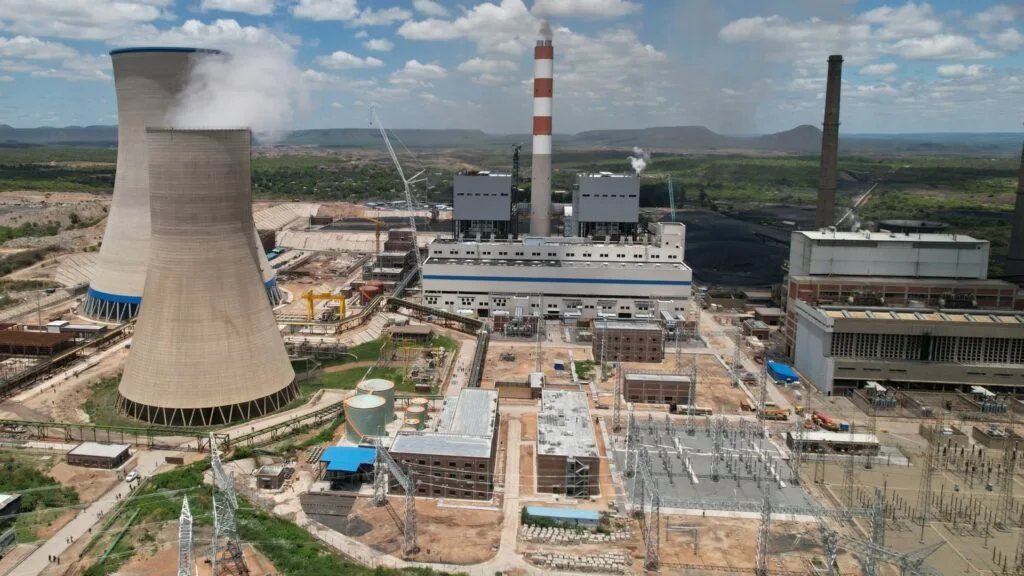
Zesa will lean on regional imports and increased output from Kariba to cushion Zimbabwe’s electricity supplies as Hwange Power Station’s two newest generating units undergo maintenance stretching into January.
Scheduled to begin on Nov. 15, the programme will take Unit 7 out of service until Jan. 4, 2027, and Unit 8 until Jan. 26.
The power utility said in a Nov. 12 notice that it had introduced “several measures to mitigate the temporary reduction in generation capacity.”
These include "additional electricity purchases through the Southern African Power Pool, supplies from independent producers and solar generation, with lower seasonal demand expected to ease pressure on the grid."
Commissioned in 2023, the two units added 600 megawatts of installed capacity to a country that has struggled to secure enough power for households and industry.
Their temporary withdrawal comes days after the government told Parliament that Zimbabwe had experienced “no load shedding attributable to power supply unavailability” for 325 consecutive days as of Nov. 10.
In the same Nov. 11 written response, the energy minister acknowledged persistent outages in Harare’s Glen View, Highfield and Budiriro suburbs, blaming ageing cables and switchgear.
He said Zesa was seeking US$289 million to refurbish the capital’s electricity network.
Low water levels at Kariba and obsolete equipment at Hwange’s older units aggravated shortages in 2024, forcing businesses to cut production and rely on expensive generators, according to Treasury’s 2024 budget review.
Under the National Development Strategy 2 (NDS2), covering 2026-2030, the government targets an increase in electricity generation capacity from a 2,950 MW baseline to 6,000 MW.
The planned US$455 million rehabilitation of Hwange Units 1-6, targeted for completion by 2028, forms part of a pipeline including battery storage and renewable energy projects.
NDS2 promises “universal access to reliable, affordable, sustainable and clean energy” by 2030, after electricity access rose from 41% to 62% during the preceding strategy.
"That expansion carries an affordability challenge, with the policy backing tariffs that cover costs to attract investors while committing utilities to affordable services," said economist Benedict Marufu.
The World Bank has recommended cross-subsidies for vulnerable consumers alongside cost-reflective tariffs, as well as measures to curb utility losses.
NDS2 plans to extend the national grid by 1,715 kilometres to improve connections between generation sites, urban centres and rural communities, while also promoting renewable electricity generated near consumers.
Rural grid expansion would draw on the 6% rural electrification levy and annual national budget allocations.
Business & Economy · Zimbabwe
Zesa banks on imports as Hwange units go offline
The Hwange maintenance shutdown will test Zesa’s supply arrangements as Zimbabwe pursues higher generation capacity and wider access to affordable electricity.