VICE President Constantino Chiwenga has linked Zimbabwe’s ambitious electricity expansion programme to the domestic processing of critical minerals, signalling a push to extract greater economic value from the country’s mineral wealth to support its energy transition.
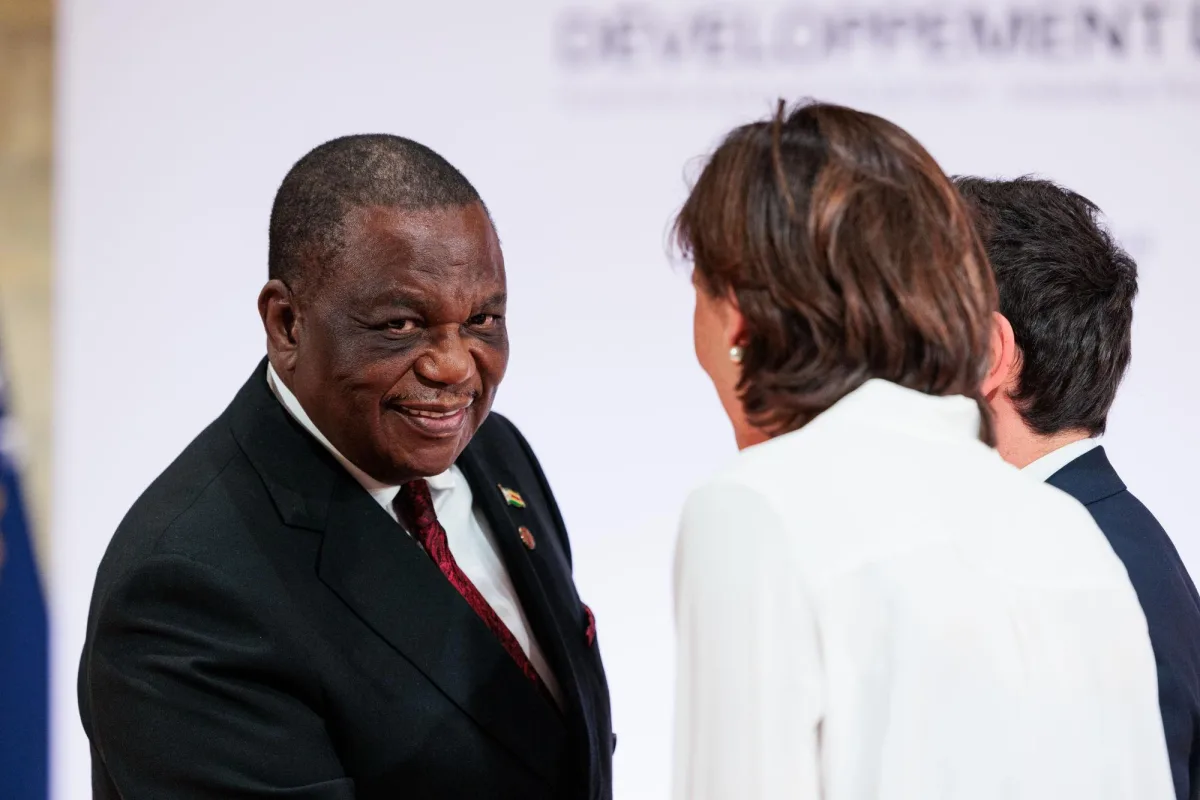
Addressing a high-level dialogue at the COP31 climate summit in Antalya, Türkiye, on Wednesday, Chiwenga said mineral beneficiation and international climate financing would be critical to achieving the government’s 2035 energy targets.
“To achieve this milestone, Zimbabwe requires predictable climate financing and investment, leveraging beneficiation, value addition and industrialisation of our critical minerals at source,” he said.
His remarks come as Zimbabwe tightens control over lithium exports, pressing mining companies to establish local processing plants rather than ship largely unprocessed minerals overseas.
In April, Cabinet approved a minerals value-chain framework, while authorities introduced conditions for resuming lithium concentrate exports following a suspension in February.
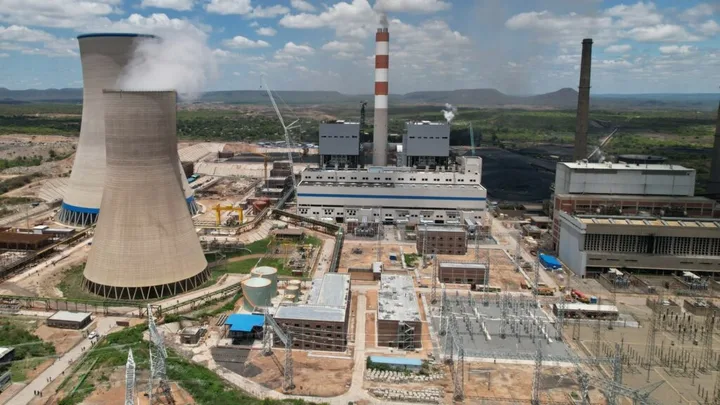
The strategy, however, presents an energy challenge, as expanding mineral-processing operations require reliable electricity in a country where power shortages have historically constrained industrial production.
World Bank figures show that only 62% of Zimbabweans had access to electricity in 2024, highlighting the scale of the country's electrification challenge.
Chiwenga said Zimbabwe intended to double generation capacity, increase non-hydro renewable energy to approximately 30% of its energy mix and reduce per capita greenhouse gas emissions by 40% by 2035.
“Zimbabwe has already taken decisive domestic action by reforming our energy market regulations to accelerate private sector investment in solar, mini-grids, energy efficiency and grid modernisation,” he said.
He acknowledged that recurrent droughts had undermined hydropower generation, exposing the country's vulnerability to climate-related electricity disruptions.
“We emphasise the need for predictable, accessible and concessional international climate finance with technology transfer and grid infrastructure support,” Chiwenga said.
Zimbabwe also welcomed the COP31 presidency's 35-by-35 pledge, which seeks to increase electricity's share of global final energy consumption to 35% by 2035.
The government's ambitions now hinge on attracting sufficient investment to expand electricity generation while simultaneously developing energy-intensive mineral-processing industries.