WHEN Tonderai Madhochi speaks about the open sewer pits on Jack Bakasa Street in Mbare, Harare, he recalls a friend’s child who fell into one and injured his leg.
His worry is that another child could be next.
“It is dangerous for children,” Madhochi said.
He wants Harare City Council to complete the repairs and close the excavations before another family has an injury to report.
Across the neighbourhood, residents welcome the replacement of worn-out sewer pipes, which they hope will bring relief from persistent blockages and sewage spills.
But they say pits and trenches left open for weeks during the work have created another danger near their homes.
For parents, the concern is a child wandering too close to an excavation.
For other residents, it is the difficulty of moving around safely or the dirty water collecting in the holes.
Another resident, who identified herself as Mai Mugali, said rainwater and sewage flowing through the neighbourhood were filling the pits.
“Some children do not understand the danger of playing in or drinking the dirty water,” she said.
She fears cholera and typhoid and wants the council to finish the repairs and clean the area.
Gogo Mutaurwa said the open trenches had worsened conditions in the neighbourhood, leaving residents worried about disease and struggling to get around safely.
“We now live with the fear of disease, and the pits make it hard to get around safely,” she said.
“The council should not only dig up and replace old pipes.”
She wants the trenches filled and the ground restored once the repairs are complete.
Their concerns come against a history of deaths linked to uncovered excavations in Harare, including in Mbare itself.
In September 2025, the Zimbabwe Human Rights Commission cited the death of Clara Ngombengombe, who fell into an uncovered trench on Madzima Road in Mbare National.
The commission said council workers had left the trench open and warned that similar excavations across the city continued to threaten residents’ safety.
Nine months later, three bodies were recovered from a sewer-sludge pit in Budiriro 3.
Police said 19-year-old Saul Karakadzai fell into the pit while walking with a friend along a narrow pathway.
His friend alerted nearby residents and police, and two other bodies were discovered during efforts to retrieve him, according to a police statement issued on June 8.
The deaths brought the safety of council excavations under renewed scrutiny.
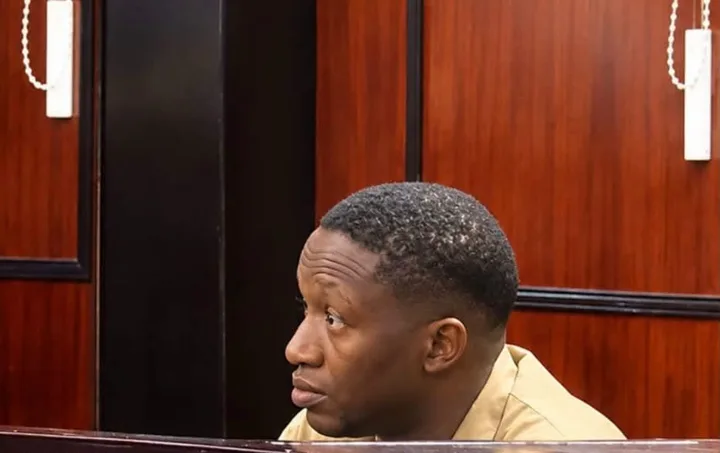
ZBC reported on June 13 that three council employees had appeared before the Harare Magistrates’ Court on three counts of culpable homicide.
Prosecutors alleged that the workers failed to secure an excavation opened during efforts to clear a sewer blockage, leaving the site accessible to the public.
The danger posed by open pits in Mbare had also been raised inside the council chamber.
At a June meeting, Ward 3 Councillor Simbarashe Chanachimwe said some excavations in the Machubhu area had remained open for more than six months, The Herald reported.
Mayor Jacob Mafume told the meeting that the city had only one honeysucker truck and said a proposed partnership would help it acquire more equipment.
The council has outlined plans to improve Mbare’s sewer network by replacing smaller pipes with larger ones to ease blockages and improve wastewater flow.
In July, Mafume said the first phase would cover 800 metres, while acting town clerk Warren Chiwawa said the council planned to replace 3 kilometres of sewer pipeline in Mbare before extending the programme to other suburbs, according to The Standard.
For residents on Jack Bakasa Street, however, the benefits of the repairs are being weighed against the danger they say remains outside their homes.
They want the sewage problems addressed, but also want to move through their neighbourhood without fearing a fall into an open excavation.
Mai Mugali wants the dirty water cleared.
Gogo Mutaurwa wants the ground restored.
For Madhochi, whose friend’s child has already been injured, the request is urgent: finish the work and close the holes before someone else is hurt.