A Zimbabwean lawmaker has described January disease losses in Mberengwa as a “national disaster,” warning that farmers who have lost their cattle will have nothing to plough with when the rains arrive.
Mberengwa West MP Tafanana Zhou said he would propose a special levy to help rebuild the national herd.
“We are heading into the rain season, and even if it rains, villagers will not have the cattle for ploughing,” he said.
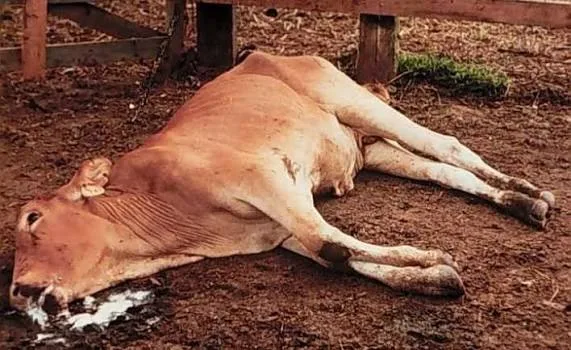
Otina Moyo, a farmer in Mberengwa district in Midlands province, said she lost 26 of her 28 cattle to theileriosis, commonly known as January disease.
“The remaining two are probably going to die too because this disease has wiped out our cattle,” she said.
Moyo spent years building a herd that provided milk and pulled her plough.
She now faces hiring a tractor, an expense she had not budgeted for.
“Most people here no longer have a single one, and these are people who had very big herds that could go up to 50 cattle per household,” she said.
Another villager, Nyasha Zvoruvanga, said many farmers could not afford medicines to treat their animals.
Brown ear ticks spread the disease, which can cause fever, swollen lymph nodes and breathing difficulties.
The losses compound a longer decline.
Mberengwa Rural District Council’s master plan describes a fall in cattle numbers from 165,000 to below 150,000, citing January disease and farmers selling cattle for fear of infection.
Those figures describe a decline in the herd, rather than a confirmed death toll for the losses farmers now report.
In Parliament on March 25, 2026, Agriculture Minister Anxious Masuka outlined intensive dipping, tick grease and the locally produced Bolvac vaccine as measures against the disease.
“We are vaccinating Bolvac for free for all Zimbabwean farmers,” he said.
He said communal farmers would continue receiving free vaccinations, but appealed for more funding.
He also acknowledged water shortages at dip tanks and promised an investigation into dipping-chemical costs.
Masuka recently renewed his call for stronger livestock surveillance in Bulawayo.
He raised concerns about cattle deaths in Darwendale and Mangwe, alongside January disease occurring outside its expected season.
Zimbabwe’s National Development Strategy 2, covering 2026-2030, identifies recurrent theileriosis outbreaks as a threat to herd health and commits to stronger surveillance, improved veterinary access and dip-tank rehabilitation.
The strategy also provides for tillage support for small-scale farmers, which could help households that have lost cattle used to prepare fields.